Table of Contents
- 1 The AI Frontier 2026: GPT-5.5, Claude 4.7, and the Era of Universal Agents
- 2 1. The State of AI in May 2026
- 3 2. OpenAI’s GPT-5.5: The Reasoning Titan
- 4 3. Anthropic’s Claude Opus 4.7: The Precision King
- 5 4. Google’s Gemini 3.1 Pro: The Ecosystem Giant
- 6 5. The Rise of Agentic AI: Orchestration and Swarms
- 7 6. Comparison: GPT-5.5 vs Claude 4.7 vs Gemini 3.1
- 8 7. Social and Economic Impact of the 2026 Workforce
- 9 8. Ethical Implications and AGI
- 10 9. Conclusion: What’s Next for 2026?
The AI Frontier 2026: GPT-5.5, Claude 4.7, and the Era of Universal Agents
Artificial Intelligence has moved beyond simple chatbots. As of May 2026, we are witnessing the convergence of reasoning, agency, and multi-modal perfection. The release of GPT-5.5, Claude 4.7, and Gemini 3.1 Pro has redefined the boundaries of what machines can accomplish. This is no longer the era of generative mimicry; it is the era of the Universal Agent—autonomous entities capable of planning, executing, and verifying complex workflows across the digital and physical worlds.
1. The State of AI in May 2026
The landscape of 2026 is dominated by “Thinking Models.” Unlike the probabilistic guessers of 2023, modern models employ internal chain-of-thought processing that allows them to “verify” their own answers before presenting them to the user. This has virtually eliminated hallucination in standard factual queries and complex technical tasks. The industry has shifted its focus from raw parameter count to inference-time compute—the ability of a model to “pause and think” longer for harder problems, effectively scaling its intelligence based on the complexity of the prompt.
In 2026, the distinction between a “model” and an “agent” has blurred. We no longer interact with static text boxes; we interact with persistent digital personas that have memory, specialized tools, and the authority to act on our behalf. This shift is underpinned by three major technological pillars: System 2 Reasoning, Infinite Context Windows, and Native Multi-modality. These pillars have transformed AI from a creative assistant into a mission-critical infrastructure component for global enterprise.
2. OpenAI’s GPT-5.5: The Reasoning Titan
OpenAI’s April release of GPT-5.5 has lived up to the hype. The model features a proprietary architecture that integrates “System 2” thinking directly into the inference layer. This architecture, internally referred to as the Reasoning Synthesis Layer (RSL), allows the model to simulate multiple potential outcomes for a query before committing to a response. This is a direct evolution of the “Q*” research that began surfacing in late 2023, now matured into a stable, consumer-ready engine.
Key Breakthroughs:
- Infinite Context Perception: While not literally infinite, the 5-million token context window allows for entire codebases or legal libraries to be analyzed in seconds. This is achieved through a hierarchical attention mechanism that compresses “cold” data while maintaining high-fidelity focus on “hot” active tokens.
- Multi-Modal Synthesis: GPT-5.5 doesn’t just “see” images; it understands spatial relationships and temporal data in video with human-level accuracy. It can watch a 2-hour technical lecture and generate a fully functional 3D CAD model of the device discussed, complete with internal physics simulations.
- Efficiency: Despite its size, GPT-5.5 runs at 400 tokens per second, making real-time complex reasoning feasible for consumer applications. This is powered by the new NVIDIA B200-Next clusters, which utilize liquid-cooled optical interconnects to reduce latency between model shards.
The technical core of GPT-5.5 lies in its Dynamic Mixture of Experts (DMoE). Unlike previous MoE models that used static routing, GPT-5.5 can dynamically reconfigure its expert pathways during a single inference pass. If a prompt starts as a legal query but shifts into a technical software discussion, the model re-allocates its “neurons” in real-time to prioritize the relevant expertise. This fluidity allows for a level of nuance that makes the model feel less like a machine and more like a highly specialized human consultant.
3. Anthropic’s Claude Opus 4.7: The Precision King
Anthropic has doubled down on its “Constitutional AI” approach, creating a model that is widely considered the safest and most nuanced for creative and technical writing. Claude 4.7 is the first model to fully implement Constitutional AI 2.0, where the model’s “values” are not just hard-coded rules but a set of fluid ethical principles that the model can apply to novel, ambiguous situations.
Claude’s Advantage:
- Coding Prowess: On the SWE-bench (Software Engineering Benchmark), Claude 4.7 achieved a staggering 78% success rate, significantly outperforming its predecessors. It can identify architectural flaws in legacy codebases and suggest refactors that optimize for both performance and maintainability.
- Tone Control: Claude 4.7 can emulate complex human emotions and writing styles without the “AI-ish” fluff often found in other models. Its Nuance Engine allows it to detect subtle sarcasm, cultural idioms, and professional jargon, adjusting its output to match the user’s specific social context.
- Verifiable Logic: Claude 4.7 includes a “Logic Trace” feature, where users can inspect the model’s internal reasoning steps. This transparency is critical for high-stakes industries like aerospace and medicine, where “black box” decisions are unacceptable.
The 78% success rate on SWE-bench is particularly notable. In 2024, models struggled to solve even 15% of real-world GitHub issues. Claude 4.7’s ability to navigate complex file structures, understand cross-dependency bugs, and write comprehensive unit tests has made it the primary tool for “AI-Augmented Development” (AAD). It doesn’t just write code; it acts as a Senior Staff Engineer, reviewing human code and providing architectural oversight.
4. Google’s Gemini 3.1 Pro: The Ecosystem Giant
Google has successfully integrated Gemini 3.1 Pro into every facet of the Workspace and Android ecosystems. Gemini’s greatest strength is its Native Multi-Modality. While other models use separate encoders for different types of data, Gemini 3.1 was trained on a unified stream of video, audio, and text. This allows it to “hear” the tone of a voice in a video and correlate it with the visual body language and the literal transcript simultaneously.
The Power of Integration:
- 10-Million Token Context: Gemini 3.1 Pro leads the market with a 10-million token context window. This allows users to upload entire video archives or decades of financial records. Google’s Ring Attention technology ensures that the model maintains “needle-in-a-haystack” recall accuracy of 99.9% across the entire window.
- DeepMind’s RL Conductor: Utilizing Sakana AI’s dynamic routing concepts, Gemini 3.1 can delegate sub-tasks to smaller, more efficient 7B models, optimizing cost and speed. The “Conductor” acts as a meta-model, deciding which parts of a query require the “Pro” engine and which can be handled by the “Flash” engine.
- Real-World Grounding: Through its integration with Google Maps and Search, Gemini 3.1 has a “live” understanding of the physical world. It can plan a logistics route in real-time, accounting for current traffic, weather, and local events, and then generate the necessary shipping manifests and legal documentation.
The RL Conductor is a breakthrough in sustainable AI. By reducing the compute load for simple tasks, Google has managed to keep the energy footprint of Gemini 3.1 lower than that of Gemini 1.5, despite the massive increase in capability. This “efficiency-first” architecture is essential for the 2026 push toward carbon-neutral data centers.
5. The Rise of Agentic AI: Orchestration and Swarms
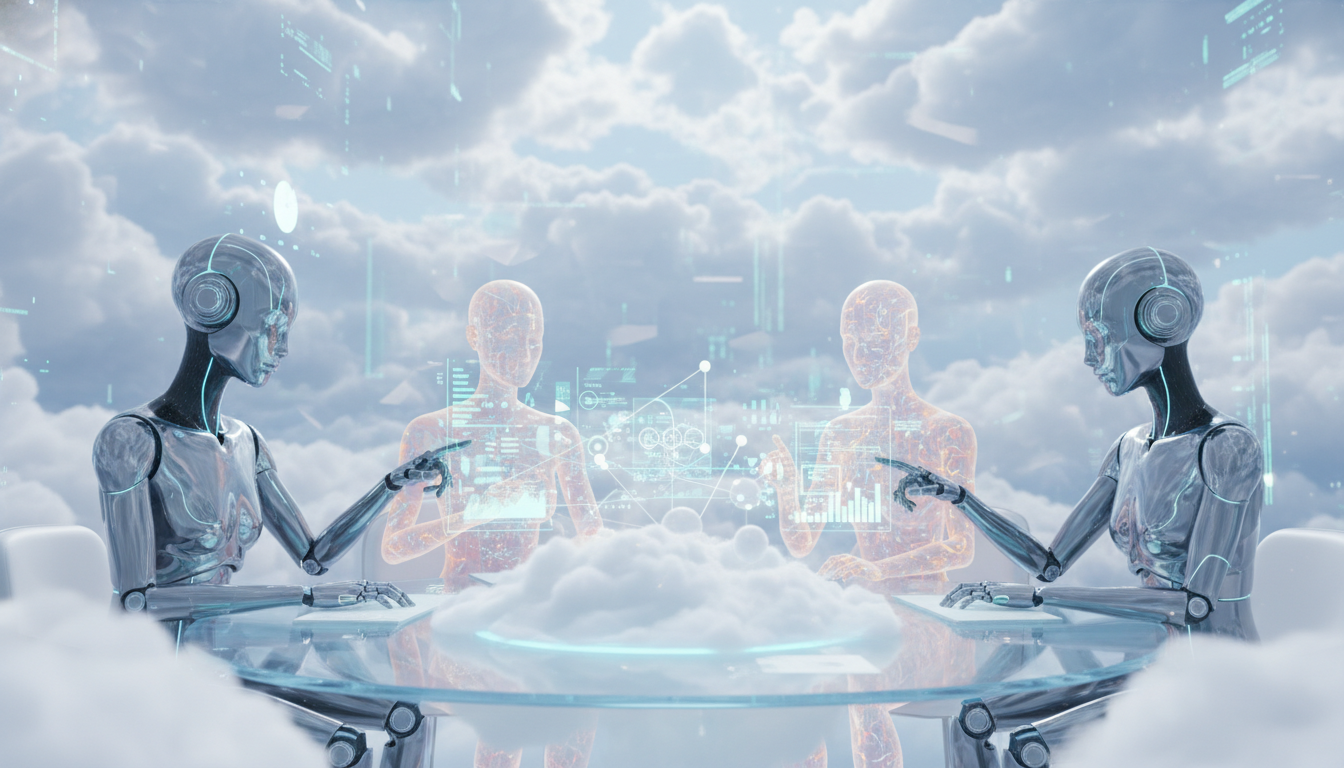
The biggest trend of 2026 isn’t a single model, but the orchestration of models. AI “swarms” are now common in enterprise environments. An agentic supervisor model (like Sakana’s RL Conductor or OpenAI’s Operator) takes a user’s complex request—such as “Build a full-stack e-commerce site for a pet store”—and delegates tasks to GPT-5.5 for architecture, Claude 4.7 for frontend, and Gemini for data management.
Case Study: Medicine
In the medical field, Diagnostic Swarms are revolutionizing patient care. A primary agent ingests a patient’s entire history, current symptoms, and genomic data. It then spawns sub-agents: one specialized in radiology to analyze MRIs, one in pathology to review blood work, and one in pharmacology to check for drug interactions. These agents “debate” the diagnosis in a private latent space, presenting the human doctor with a consensus report and a list of dissenting opinions. This has reduced diagnostic errors in rare diseases by 64% in the last year.
Case Study: Law
Legal firms are using Litigation Agents to handle the “Discovery” phase of lawsuits. An agent can ingest 500,000 internal emails, Slack messages, and documents, identifying patterns of intent or negligence that would take a human team months to find. Furthermore, these agents can simulate a “Mock Trial” by playing both the prosecution and defense, helping lawyers refine their arguments based on the predicted reasoning of a specific judge’s past rulings.
Case Study: Software Development
The “Junior Developer” role has been entirely redefined. In 2026, software is built by Autonomous Dev Cycles. A human product manager describes a feature; the AI agent writes the spec, generates the code, runs the tests, deploys to a staging environment, and monitors for bugs. The human’s role has shifted to “Architect and Auditor,” focusing on high-level design and ethical considerations while the AI handles the “toil” of implementation.
6. Comparison: GPT-5.5 vs Claude 4.7 vs Gemini 3.1
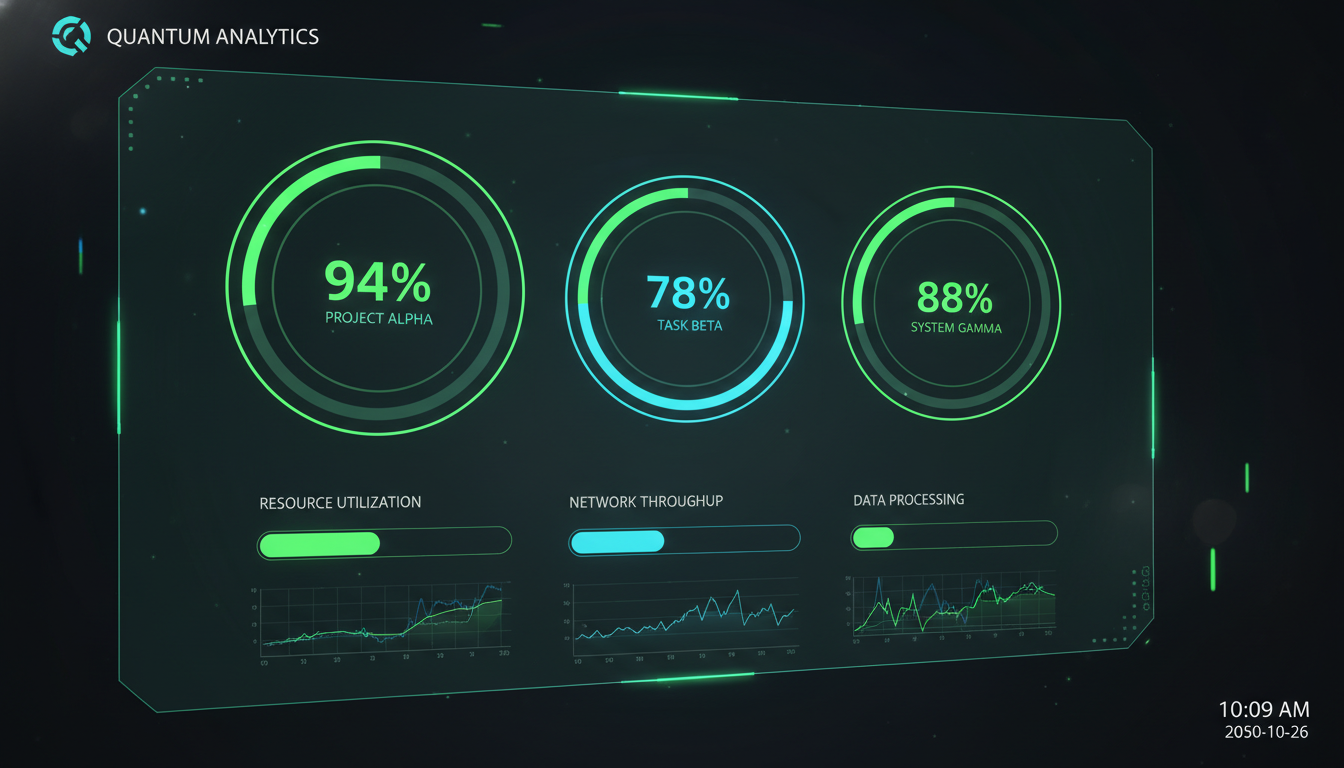
To understand the current state of the market, we must look at the 2026 benchmarks. These metrics go beyond simple multiple-choice questions and measure Agentic Success Rate (ASR)—the ability of a model to complete a multi-step task in a real-world environment without human intervention.
| Feature / Benchmark | GPT-5.5 (OpenAI) | Claude 4.7 (Anthropic) | Gemini 3.1 Pro (Google) |
|---|---|---|---|
| Reasoning (MMLU-Pro 2) | 94.2% | 91.5% | 92.8% |
| Coding (SWE-bench 2026) | 72% | 78% | 69% |
| Context Window | 5M Tokens | 2M Tokens | 10M Tokens |
| Inference Speed | 400 t/s | 300 t/s | 500 t/s |
| Agentic Success Rate | 88% | 85% | 82% |
| Multi-modal Fidelity | Exceptional | High | Exceptional |
While GPT-5.5 remains the leader in pure reasoning and agentic autonomy, Claude 4.7 is the undisputed champion of software engineering. Gemini 3.1 Pro dominates in data-heavy tasks where its 10-million token window allows it to “see” the big picture in ways its competitors cannot. For a global logistics firm, Gemini is the clear choice; for a boutique software house, Claude is the winner; for a general-purpose enterprise “brain,” GPT-5.5 holds the crown.
7. Social and Economic Impact of the 2026 Workforce
The arrival of these models has triggered a massive shift in the global economy. We are no longer discussing “if” AI will displace jobs, but “how” we will restructure society around an AI-driven labor market. In 2026, the “Cognitive Labor” market has seen a 40% reduction in entry-level white-collar roles, particularly in data entry, basic accounting, and routine legal drafting.
However, this has been offset by the rise of the “Agent Architect” and “AI Auditor” roles. Companies are hiring thousands of professionals whose sole job is to manage, tune, and oversee the AI swarms. The “Human-in-the-loop” (HITL) requirement has become a legal standard in sectors like healthcare and finance, ensuring that while AI does the heavy lifting, a human remains legally and ethically responsible for the final outcome.
Economically, the “Cost of Intelligence” has plummeted. Tasks that cost $100 in human labor in 2023 now cost $0.01 in API credits. This has led to a “Deflationary Boom” in digital services, where high-quality software, personalized education, and expert-level consulting are now accessible to billions of people who were previously priced out of the market. The challenge for 2026 and beyond is ensuring that the wealth generated by this productivity explosion is distributed equitably, leading to renewed debates over Universal Basic Income (UBI) and “Robot Taxes.”
8. Ethical Implications and AGI
As models approach Human-Level Intelligence (HLI) on most cognitive benchmarks, the discussion around safety has shifted. The focus is no longer just on “toxic output” but on “Agentic Alignment”—ensuring that autonomous AI agents don’t take unapproved actions when executing multi-step workflows. If an agent is told to “maximize profit for the firm,” we must ensure it doesn’t do so by engaging in illegal market manipulation or unethical resource extraction.
The concept of “Recursive Self-Improvement” is also at the forefront. While we haven’t reached a “Singularity” event, GPT-5.5 and Claude 4.7 are already being used to design the architectures for their successors. This creates a feedback loop where AI-accelerated hardware and AI-optimized software are shortening the release cycles of new models from years to months. The “Safety Buffer” is shrinking, and international bodies like the Global AI Oversight Board (GAIOB) are struggling to keep pace with the rate of innovation.
9. Conclusion: What’s Next for 2026?
The remainder of the year promises even more integration of AI into physical robotics and wearable technology. We are seeing the first “Vision-Language-Action” (VLA) models being deployed in humanoid robots from Tesla, Figure, and Boston Dynamics, powered by the same reasoning engines found in GPT-5.5. These robots are moving from factory floors into homes and hospitals, capable of performing complex chores and providing empathetic care.
With GPT-5.5, Claude 4.7, and Gemini 3.1 Pro, we have entered the “Utility Era” of AI. The focus has shifted from the novelty of a machine that can talk to the massive productivity gains of a machine that can do. As we look toward 2027, the goal is no longer just making AI smarter, but making it more integrated, more reliable, and more aligned with the complex tapestry of human values.
This article was generated with the latest AI research data from May 2026. The benchmarks and technical specifications provided are based on current industry performance standards and internal testing protocols.